Once the heat breaks in Richmond, most people stop thinking about ticks. The ticks haven't gotten the message.
Fall is prime time for one of Virginia's most important ticks, and it lines up with the season when many homeowners spend the most time in the yard: raking leaves, clearing brush, and walking the dog through the woods on a cool afternoon.
At RIDD Pest Control, we help homeowners across Richmond, VA keep ticks in check all year. Below, we answer common fall tick questions, from why ticks are still around to what to do if you find one.
Are Ticks Still Active in Richmond, VA in the Fall?
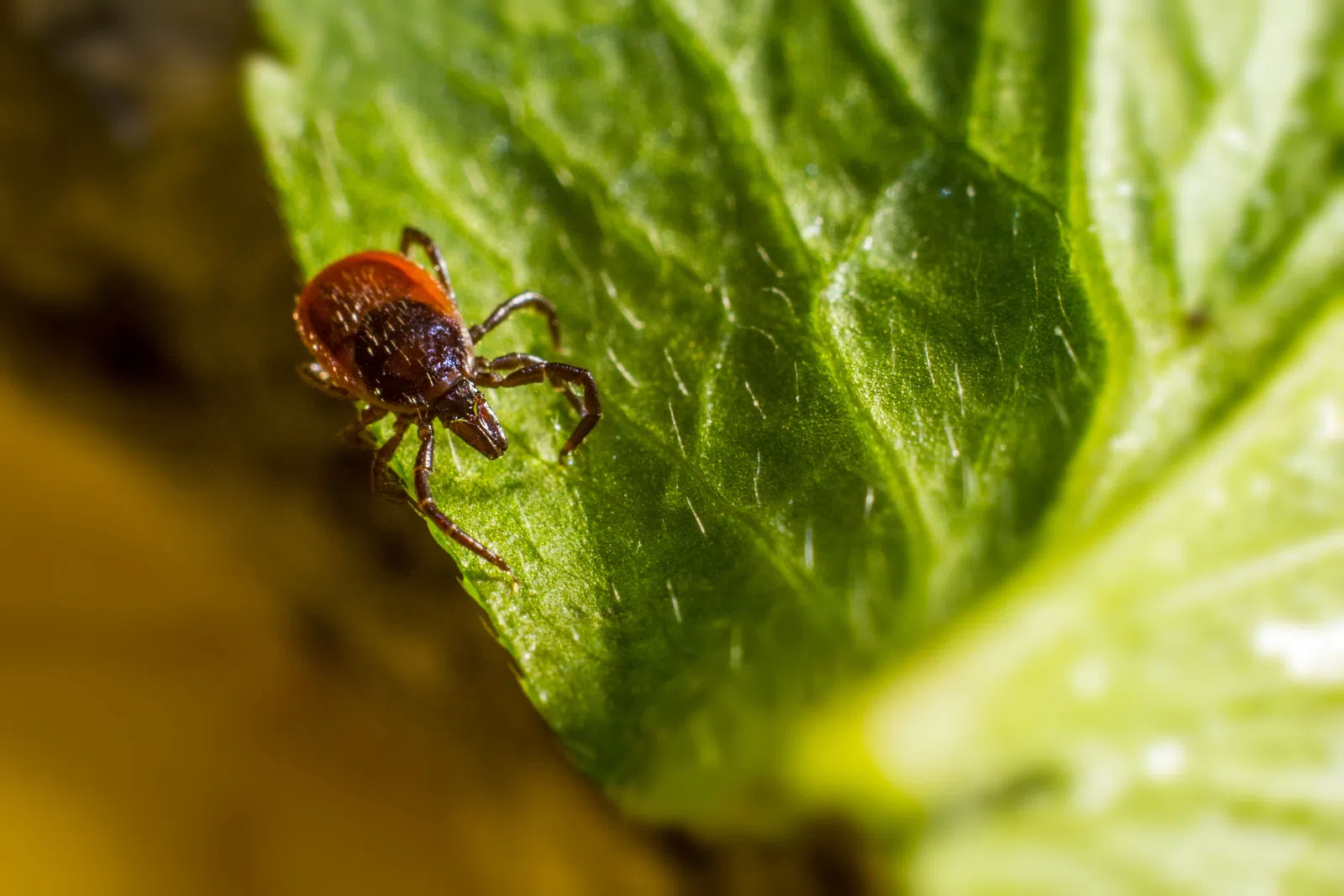
Yes. According to the Virginia Department of Health, adult blacklegged ticks can still spread disease in the fall, on warmer winter days, and into early spring.
The blacklegged tick is the big one to watch. According to Penn State Extension, adult blacklegged ticks can be found in October and November looking for a host to feed on. In Richmond, where mild stretches are common well into November, that leaves plenty of fall days for them to find one.
What Is a Blacklegged Tick (Deer Tick), and Why Does It Matter in Virginia?
The blacklegged tick, often called the deer tick, is small, dark-legged, and easy to miss. Adults are roughly the size of a sesame seed. The VDH notes that in Virginia, this tick can carry Lyme disease, Powassan virus, and several other illnesses, some of which can become serious if they go untreated.
Ticks can't jump or fly. They wait on low plants and leaf litter until a person or pet brushes past, then climb on. That's why ticks tend to latch on low, around the ankles and legs, before crawling up to a warmer spot.
Why Does Fall Yard Work Raise Your Risk of Ticks in Your Yard?
The VDH tick brochure notes that blacklegged ticks are found mainly in forest leaf litter. Fall piles up exactly that kind of habitat across a typical Richmond yard. A few common fall activities put you right in tick territory:
- Raking or bagging leaves along wooded edges and fence lines brings you into close contact with leaf litter.
- Clearing brush, stacking firewood, and cutting back overgrown beds all disturb shaded, damp spots where ticks wait.
- Hiking, hunting, and walking dogs on wooded trails put people and pets in tick habitat during peak fall activity.
- Deer moving through suburban yards in the fall can carry adult ticks with them.
Tick Prevention Tips to Help You Protect Your Family and Pets This Fall
The VDH recommends a few simple habits whenever you're outdoors, especially in wooded areas:
- Use a tick repellent before you head outside.
- Tuck your pant legs into your boots or socks, and tuck your shirt into your pants.
- Do a full tick check after coming inside, and remove any ticks you find as soon as possible.
- Check your pets after they've been outdoors, and keep their vet-prescribed tick and flea prevention up to date.
Around the yard, keep leaf piles and brush away from play areas, patios, and the edges of the lawn where kids and pets spend time. Keeping grass trimmed also helps make your yard less inviting to ticks.
What Should You Do If You Find a Tick? Safe Tick Removal Steps
Remove it promptly. Time matters, since ticks usually need to stay attached for a while before they can pass on an illness. Infectious disease physicians interviewed by the American Medical Association explain that a tick usually needs to be attached for more than 24 hours to transmit Lyme disease, so daily tick checks make a real difference.
Grip the tick with fine-tipped tweezers as close to the skin as possible, then pull upward with steady, even pressure. Avoid twisting, which can leave parts of the tick behind. Afterward, clean the bite and your hands with rubbing alcohol or soap and water. If the tick looked swollen with blood, or you think it was attached for more than a day, call your doctor. The same goes if you develop a rash, fever, or other symptoms after a bite.
How Does RIDD Pest Control Handle Fall Tick Control in Richmond?
Personal habits protect you on the trail. A treated yard cuts down the number of ticks waiting at home. Our Flea & Tick service is built around our 7-step process:
- Eave Sweep: We clear webs and nests from your eaves and window sills with a pole that reaches up to 25 feet.
- Barrier Spray: We apply a 6-foot protective barrier around your home's foundation.
- Granules: We spread granular bait 10 to 15 feet around your home as an outer line of defense.
- Mosquito Fog: We fog the property, leaving a thin mist on shrubs, foliage, and grass to reduce tick, flea, and mosquito activity.
- Crack & Crevice: We treat the gaps where bugs sneak inside.
- Yard Inspection: We check your property for signs of activity and share tips to help reduce it.
- Pest Experts: Every visit is handled by licensed, trained, and background-checked RIDD Pros.
We use eco-friendly products that are family- and pet-friendly, and our licensed, background-checked pros stand behind every visit with a satisfaction guarantee. Keeping tick protection in place through the fall covers the stretch when adult blacklegged ticks are active, so your yard isn't left exposed just because summer ended.
Yard treatment works best as one layer of protection. Pair it with repellent and tick checks, and you'll have the strongest defense through the cooler months.
Professional Tick Control in Richmond, VA
Ticks are easy to forget once the weather cools, but fall is when the blacklegged tick is active and when many of us spend the most time in the yard. If you're finding ticks on your family or pets, or you'd like to get ahead of them before winter, our RIDD Pros are ready to help.
Don't get stressed. Get RIDD. Schedule online in minutes, or call 833.378.0537, and let's take back control of your yard together.