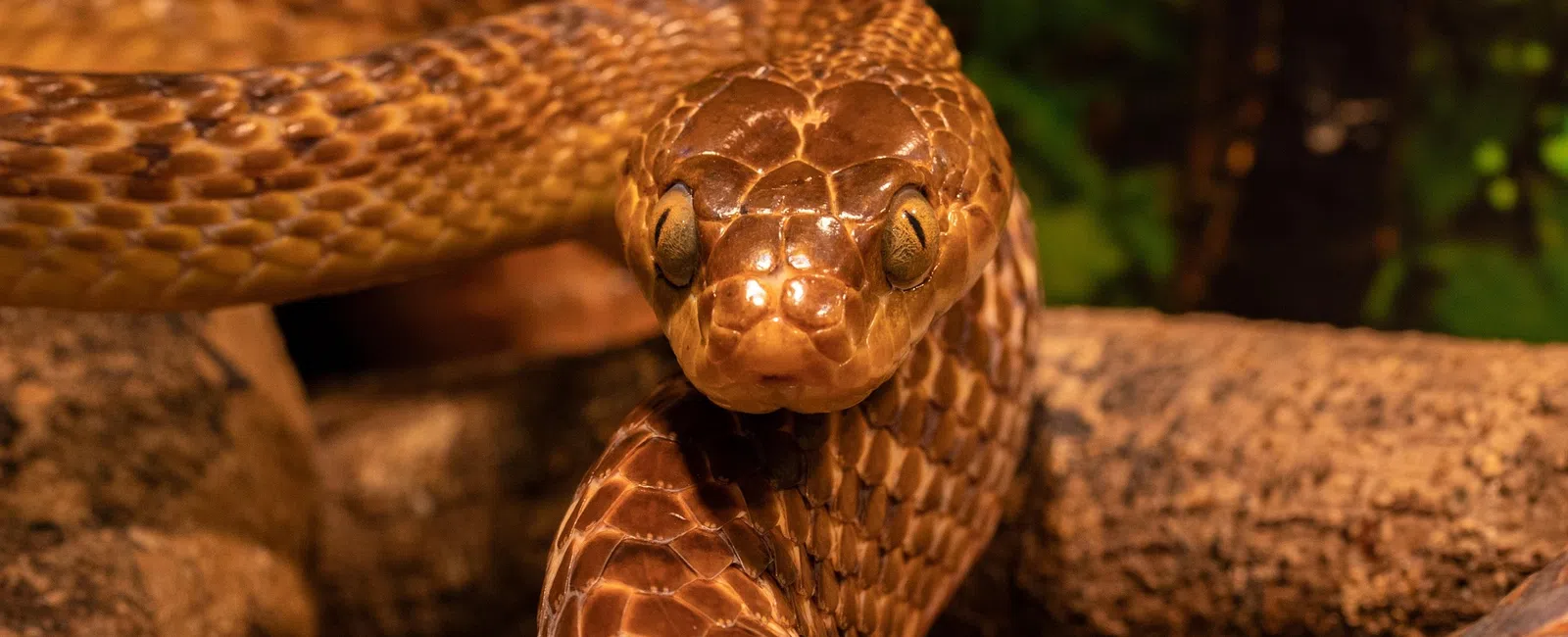
Few backyard surprises get the heart racing like a snake sliding across the patio. Take a breath, though, because the odds are in your favor. Most snakes you will run into are harmless, and there is a lot you can do to make your yard a place they would rather skip.
At RIDD Pest Control, we help homeowners do exactly that. Here is what draws snakes in, what actually keeps them away, and how to stay ahead of them.
First, the Good News: Most Snakes Are Harmless
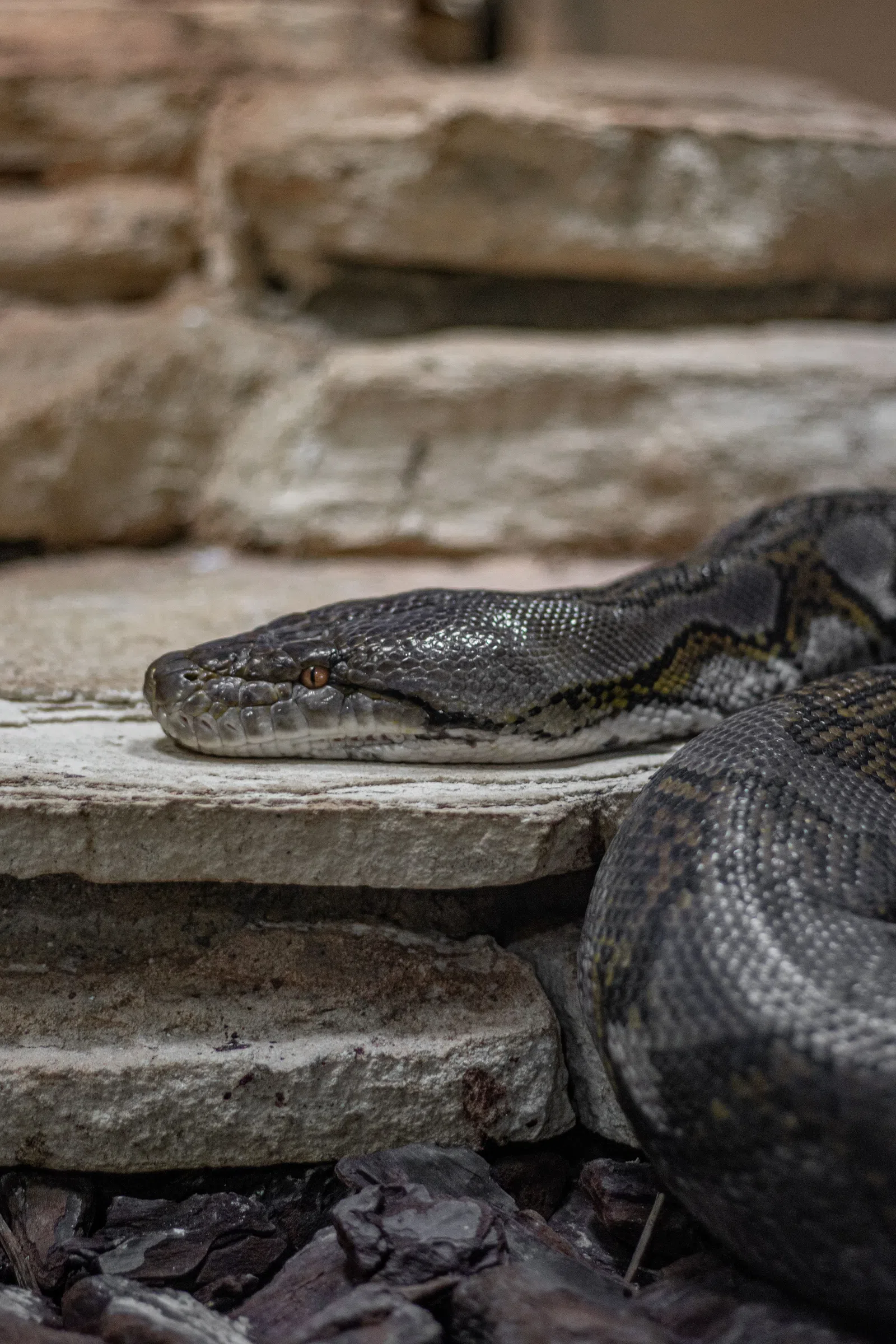
The large majority of snakes you will see in your yard are non-venomous, and they are quietly doing you a favor by eating mice, rats, and insects. Garter snakes, rat snakes, and kingsnakes are all common, harmless neighbors. Kingsnakes even eat other snakes, including venomous ones.
That said, venomous species do live in parts of RIDD's service area, from copperheads and rattlesnakes in the Southeast to rattlesnakes in Utah. The golden rule is simple: if you cannot confidently identify a snake, give it plenty of space and do not try to handle it.
What Actually Attracts Snakes to Your Yard
Snakes do not show up at random. They follow three things:
- Food. This is the big one. Snakes go where the rodents and insects live.
- Shelter. Tall grass, brush piles, leaf litter, woodpiles, rock piles, and general clutter all make cozy hiding spots.
- Water. Standing water and damp, overgrown corners draw both snakes and the prey they hunt.
Take these away, and most snakes simply move to an easier spot.
Do Store-Bought Snake Repellents Work?
Here is the honest answer: the do-it-yourself ones are hit or miss. Mothballs, sulfur powder, cinnamon or clove oil, and coffee grounds are popular, but they tend to give limited, short-term results, and none will stop a hungry snake tracking prey.
What actually works is a two-part approach: making your yard less appealing, and backing that up with a professional preventive treatment that creates a barrier snakes would rather avoid. That combination is far more dependable than any store-bought repellent you could scatter around your yard.
How to Make Your Yard Less Inviting
This is where the real results come from:
- Get rodents under control. Since snakes follow their food, rodent control is the single most effective thing you can do.
- Keep the grass short and clear tall grass along fences and borders.
- Clear the clutter. Remove brush piles, leaf litter, and debris, and store firewood on a rack, off the ground and away from the house.
- Seal the gaps. Close openings in the foundation, around pipes, at crawl space vents, and under garage doors, paying extra attention to spots near utility lines.
- Dry things out. Fix leaks, redirect gutters, and avoid over-watering.
- Feed pets indoors, since pet food left out attracts rodents that attract snakes.
When to Get Professional Help
A single harmless snake passing through is usually nothing to worry about. It's time to bring in help when:
- You spot a venomous snake, or one you cannot confidently identify.
- A snake gets inside the house, garage, or crawl space, which points to an entry point that needs sealing.
- You keep seeing snakes in the same area, a sign that something is drawing them in.
If a snake is already inside your home, that is a removal situation, so keep your distance and contact a professional right away. Once things are clear, the smartest next step is making sure the next one never gets comfortable in the first place.
Get Ahead of Snakes With RIDD
Here is the thing about snakes: the best time to deal with them is before they show up. RIDD's snake prevention lays down a protective barrier around the areas snakes like to explore, from woodpiles and garages to flower beds, so they are deterred from moving in. Combine it with rodent control and the habitat steps above, and you have a proactive way to take back your yard.
Because a barrier works best when it is set up early, it pays not to wait for a sighting. Don't get stressed. Get RIDD of snakes. Schedule online or call 833.378.0537, and let's get ahead of snake season together.